University of Pittsburgh logo
Department of Psychiatry
University of Pittsburgh logo
Information for You
  • Faculty & Staff
  • Prospective Trainees
  • Investigators
  • Patients & Families
Our People
Menu
  • Education
    • Education Overview
    • Residency & Fellowships
    • Research Training
    • Medical Student Education
    • Clinical Psychology Internship
    • Clinician Career Development
  • Research
    • Research Overview
    • Research Faculty
    • Research Training
    • Investigator Resources
    • Health Equity Research
    • Participate in Research
  • Patient Care
    • Patient Care Overview
    • Access to Care
    • Clinical Services Overview
    • Clinical Faculty
    • Resources for Clinicians
  • Community & Culture
    • Community & Culture Overview
    • Leadership & Advisory Council
    • Research Equity & Community Health
    • Community & Partnership
    • Community News
    • Community Awards & Accolades
  • About Us
    • About Us Overview
    • Chair's Message
    • Our People
    • Our History, Our Present, & Our Future
    • Life in Pittsburgh
  • News & Events
    • News & Events Overview
    • News
    • Events
  • Information for You
    • Faculty & Staff
    • Prospective Trainees
    • Investigators
    • Patients & Families
  • Our People

Main menu

  • Education
    • Residency & Fellowships
      • Residency Training
      • Training Pathways & Concentrations
      • Clinical Fellowships
      • Our Clinical Learning Environment
      • Our Leadership
      • Our Chief Residents
      • Our Residents
    • Research Training
      • Undergraduate & Graduate Student Training
      • Medical Student Research
      • Research During Residency
      • Postdoctoral Training
      • Medical Student Education
      • Clinical Psychology Internship
      • Clinician Career Development
  • Research
    • Research Training
      • Undergraduate & Graduate
      • Medical Student Research
      • Research During Residency
      • Postdoctoral Training
    • Investigator Resources
      • Research Day
      • Research Review Committee
      • Assessment Instruments
    • Health Equity Research
      • REACH Collaborative
      • Research Faculty
      • Participate in Research
  • Patient Care
      • Access to Care
      • Clinical Services Overview
      • Clinical Faculty
      • Resources for Clinicians
  • Community & Culture
      • Leadership & Advisory Council
      • Research Equity & Community Health
      • Community & Partnership
      • Community News
      • Community Awards & Accolades
  • About Us
    • Our People
      • Faculty
      • Staff
      • Emeritus Faculty
      • Chair's Message
      • Our History, Our Present, & Our Future
      • Life in Pittsburgh
  • News & Events
      • News
      • Events
  • Search

Breadcrumb menu

  1. Home
  2. News
  • June 26, 2019
  • Share on LinkedIn
  • Share on Bluesky
  • Share on Facebook
  • Share on Threads
  • Share via email

Now in Psychological Medicine: Addressing Challenges to Cognitive Aptitude Assessment in Postmortem Subjects with Schizophrenia
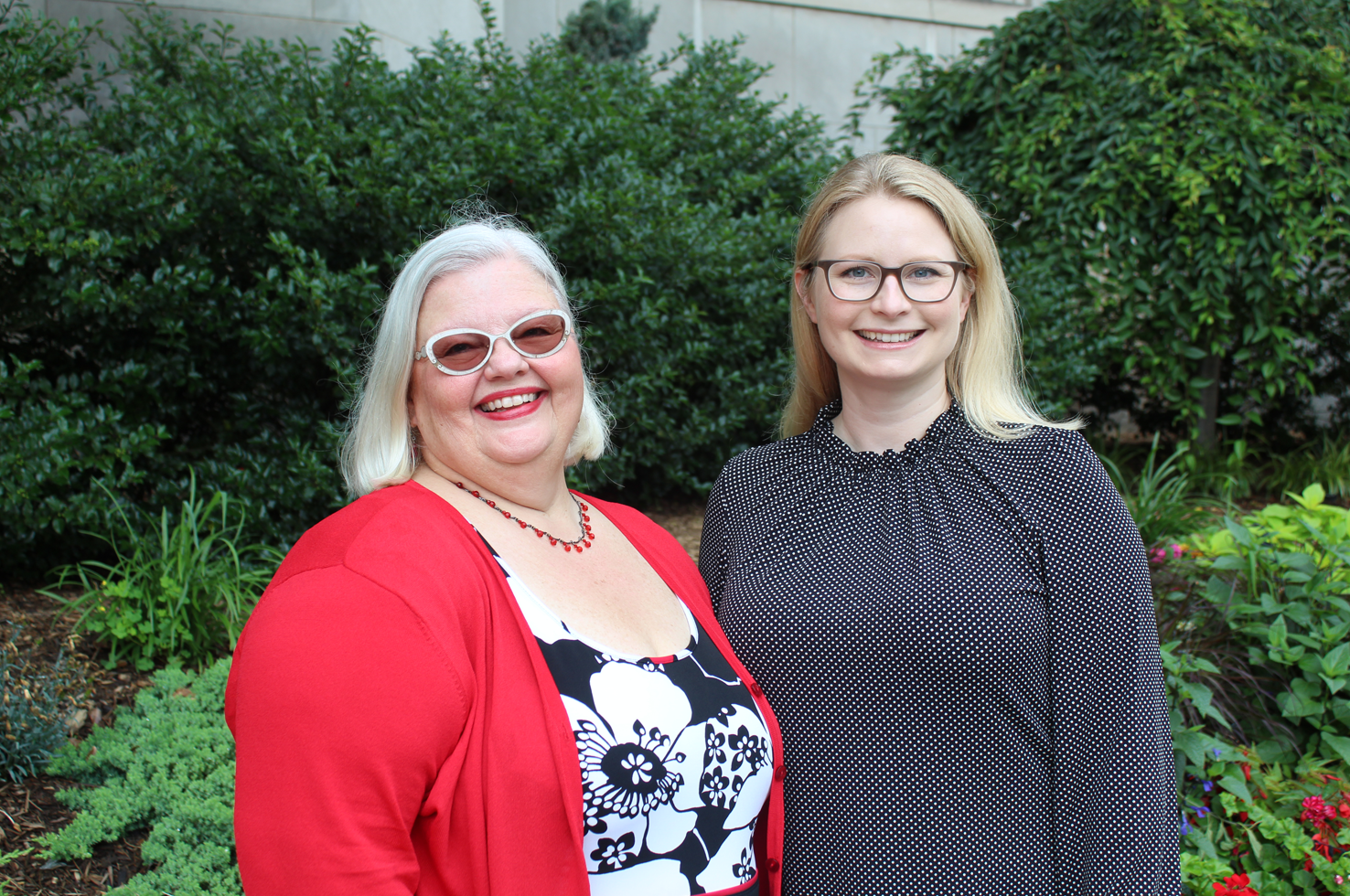
Study co-authors Drs. Mary Ann Kelly and Jill Glauiser

A deep understanding of the neural basis of cognitive impairment in schizophrenia is critical for the development of treatments for this disorder, as cognitive dysfunction can predict clinical outcomes such a relapse frequency and everyday functioning. Achieving this level of understanding is possible by studying post-mortem human brain tissue. However, thus far, scientists have been prevented from doing so due to significant challenges related to the absence of information on the cognitive aptitude of postmortem subjects.

Researchers including Drs. Jill Glausier, Mary Ann Kelly, and David Lewis from the University of Pittsburgh conducted a study to address these challenges and thus expand the potential for scientists to use postmortem brain tissue to understand the neural foundation of cognitive impairment.

The team assembled a cohort of 507 postmortem human subjects who met criteria for schizophrenia, major depressive disorder or bipolar disorder and an unaffected comparison group. They gathered information on the levels of educational and occupational attainment—useful proxy measures of cognitive aptitude—for the proband subjects and their parents.

This information was gathered through an investigative procedure known as psychological autopsy, which entails a structured interview with the next-of-kin and/or another close friend or family member regarding demographic, psychiatric and medical treatments for the subject, as well as for family members. Additional information was obtained through treatment records, social media and educational and legal documents. In addition to carefully documenting demographic, psychosocial, and family information, an integral part of the psychological autopsy is diagnostic confirmation. By using standardized interview techniques, the team was able to systematically incorporate the informant’s report along with information found in the subject’s treatment records. Dr. Kelly commented, “The psychological autopsy provides value in terms of the breadth of demographic and psychosocial information gathered along with the rigor of a standardized method to increase diagnostic accuracy.”

In a study recently published in Psychological Medicine, the research team reported that both educational and occupational attainment was lowest in subjects with schizophrenia and highest in subjects with bipolar disorder and the unaffected comparison group. Additionally, in contrast to the general population, educational and occupational attainment in the subjects with schizophrenia was not higher relative to their parents.

“The absence of measures of premortem cognitive aptitude in postmortem subjects has presented a major challenge to interpreting the relationship between the severity of neural alterations and cognitive deficits within the same subjects,” Dr. Glausier said. “These findings demonstrate that readily available data, information regarding educational and occupational attainment, are sensitive proxy measures of the severity of cognitive impairments individuals experienced during life. This finding provides a much-needed piece of the puzzle so that we can robustly interrogate the neural substrates of cognitive dysfunction in schizophrenia.”

Proxy measures of premortem cognitive aptitude in postmortem subjects with schizophrenia
Glausier JR, Kelly MA, Salem S, Chen K, Lewis DA

Psychological Medicine 1-8. DOI: https://doi.org/10.1017/S0033291719000382

University of Pittsburgh logo

Stay connected

  • LinkedIn
  • Bluesky
  • Instagram
  • Facebook
  • Threads

Location

Thomas Detre Hall
3811 O'Hara Street
Pittsburgh, PA 15213
  • Contact Us

Related Websites

  • medschool.pitt.edu
  • pitt.edu

Explore

  • Find People
  • Education
  • Research
  • Patient Care
  • Community & Culture
  • About Us
  • News and Events

Information for

  • Faculty & Staff
  • Prospective Trainees
  • Investigators
  • Patients & Families

Intranet Sites

  • Psy Hub for faculty (requires UPMC log-in and UPMC computer or access through MyApps)
  • Postdoc Portal Postdoc Portal for postdoctoral trainees
  • Office of Grants and Contracts (OGC) website accessible on internal network only

Join Our Newsletter

Stay up to date on department and faculty happenings.

University of Pittsburgh Department of Psychiatry mailing list Fill in the form to subscribe to the mailing list.

Psychiatry Advances Podcast

Covering Innovative research and patient-centered programs.

Listen to Podcast

© 2026 University of Pittsburgh Department of Psychiatry