Understanding Variation: Subjective Experience and Behavior Change
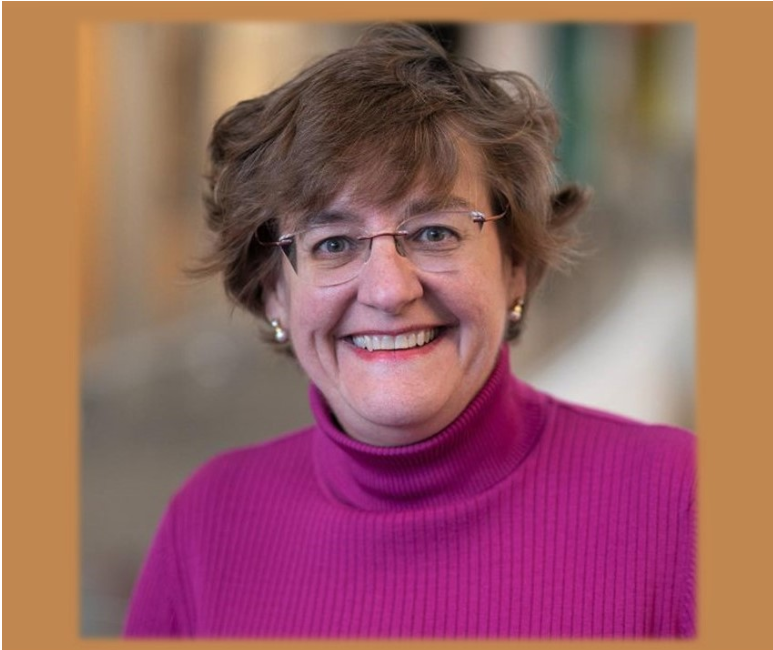
Join us on September 18, 2020 when the Department of Psychiatry welcomes Karen Quigley, PhD as our Special Guest Lecturer. Dr. Quigley is Professor of Psychology at Northeastern University. Her work focuses on individual differences in emotional reactivity, how humans utilize information from the body in creating emotional experience, and how emotional experiences impact behavior, cognitions, and health. Current research projects examine individual differences in interoceptive sensitivity, or the extent to which someone can detect changes in their internal sensations, how affect (i.e., the valence and arousal-based features of emotional experience) influences decision making, and how individuals differ in integrating information about their internal bodily state, existing knowledge (based on past learning history) and the current, external context to create emotional experiences in everyday life. Studies in the Department of Veterans Affairs examine the role of emotional states in physical symptom reporting, document changes in health outcomes, quality of life, and health care utilization after the major life stressor of a military deployment, and assess technology-based interventions for enhancing sleep and mental health, and fostering community and family reintegration after veterans return to civilian life after a military deployment.
Date & Time. Sept. 18, 2020, 12:00pm to 1:30pm
MS Teams Live Event. Click here to join this event . If you experience any problems with the link, email psychiatry@upmc.edu.
Learning Objectives. At the conclusion of this lecture, participants will be able to:
-
Understand the usefulness of a novel method for physiological-triggering of experience sampling.
-
Describe predictive regulation of the body including the role of sensations from the body.
-
Conceptualize how psychophysiological methods can be used to enhance patient-facing technology interventions for self-management of sleep disorders.
The entirety of this program will be a lecture by the speaker(s). All individuals able to control the content of this educational activity are required to disclose all relevant financial relationships with any proprietary entity producing, marketing, re-selling, or distributing health care goods or services, used on, or consumed by, patients. Registration is not required for this event. This event is free and there will be no refunds. The University of Pittsburgh is an affirmative action, equal opportunity institution.
For More Information. Please contact Frances Patrick (patrickfm@upmc.edu).
Continuing Education Credit: The University of Pittsburgh School of Medicine is accredited by the Accreditation Council for Continuing Medical Education to provide continuing medical education for physicians. The University of Pittsburgh School of Medicine designates this educational activity for a maximum of 1.5 AMA PRA Category 1 CreditsTM. Each physician should only claim credit commensurate with the extent of their participation in the activity. Other health care professionals are awarded .15 continuing education units (CEUs), which are equal to 1.5 contact hours. In accordance with Accreditation Council for Continuing Medical Education requirements on disclosure, information about relationships of presenters with commercial interests (if any) will be included in materials which will be distributed at the time of the conference. WPH is approved by the American Psychological Association to offer continuing education for psychologists. WPH maintains responsibility for this program and its contents. This program is being offered for 1.5 continuing education credits.
The indicated number of clock hours of continuing education is provided through UPMC Western Psychiatric Hospital’s Office of Educational Resources and Planning, a PA-approved provider of social work continuing education in accordance with all the applicable educational and professional standards of the Pennsylvania State Board of Social Workers, Marriage and Family Therapist. These clock hours satisfy requirements for LSW/LCSW, LPC and LMFT renewal. For more information, call (412) 204-9085.