
University of Pittsburgh logo
Department of Psychiatry
University of Pittsburgh logo
Information for You
  • Faculty & Staff
  • Prospective Trainees
  • Investigators
  • Patients & Families
Our People
Menu
  • Education
    • Education Overview
    • Residency & Fellowships
    • Research Training
    • Medical Student Education
    • Clinical Psychology Internship
    • Clinician Career Development
  • Research
    • Research Overview
    • Research Faculty
    • Research Training
    • Investigator Resources
    • Health Equity Research
    • Participate in Research
  • Patient Care
    • Patient Care Overview
    • Access to Care
    • Clinical Services Overview
    • Clinical Faculty
    • Resources for Clinicians
  • Community & Culture
    • Community & Culture Overview
    • Leadership & Advisory Council
    • Research Equity & Community Health (REACH)
    • Community & Partnership
    • Community News
  • About Us
    • About Us Overview
    • Chair's Message
    • Our People
    • Our History, Our Present, & Our Future
    • Life in Pittsburgh
  • News & Events
    • News & Events Overview
    • News
    • Events
  • Information for You
    • Faculty & Staff
    • Prospective Trainees
    • Investigators
    • Patients & Families
  • Our People

Main menu

  • Education
    • Residency & Fellowships
      • Residency Training
      • Training Pathways & Concentrations
      • Clinical Fellowships
      • Our Clinical Learning Environment
      • Our Leadership
      • Our Chief Residents
      • Our Residents
    • Research Training
      • Undergraduate & Graduate Student Training
      • Medical Student Research
      • Research During Residency
      • Postdoctoral Training
      • Medical Student Education
      • Clinical Psychology Internship
      • Clinician Career Development
  • Research
    • Research Training
      • Undergraduate & Graduate
      • Medical Student Research
      • Research During Residency
      • Postdoctoral Training
    • Investigator Resources
      • Research Day
      • Research Review Committee
      • Assessment Instruments
    • Health Equity Research
      • REACH Collaborative
      • Research Faculty
      • Participate in Research
  • Patient Care
      • Access to Care
      • Clinical Services Overview
      • Clinical Faculty
      • Resources for Clinicians
  • Community & Culture
  • About Us
    • Our People
      • Faculty
      • Staff
      • Emeritus Faculty
      • Chair's Message
      • Our History, Our Present, & Our Future
      • Life in Pittsburgh
  • News & Events
      • News
      • Events
  • Search

Breadcrumb menu

  1. Home
  2. News
  • July 24, 2023
  • Share on LinkedIn
  • Share on Bluesky
  • Share on Facebook
  • Share on Threads
  • Share via email

Biological Psychiatry: Distinct Patterns of Abnormal Lateral Orbitofrontal Cortex Activity During Compulsive Grooming and Reversal Learning Normalize after Fluoxetine
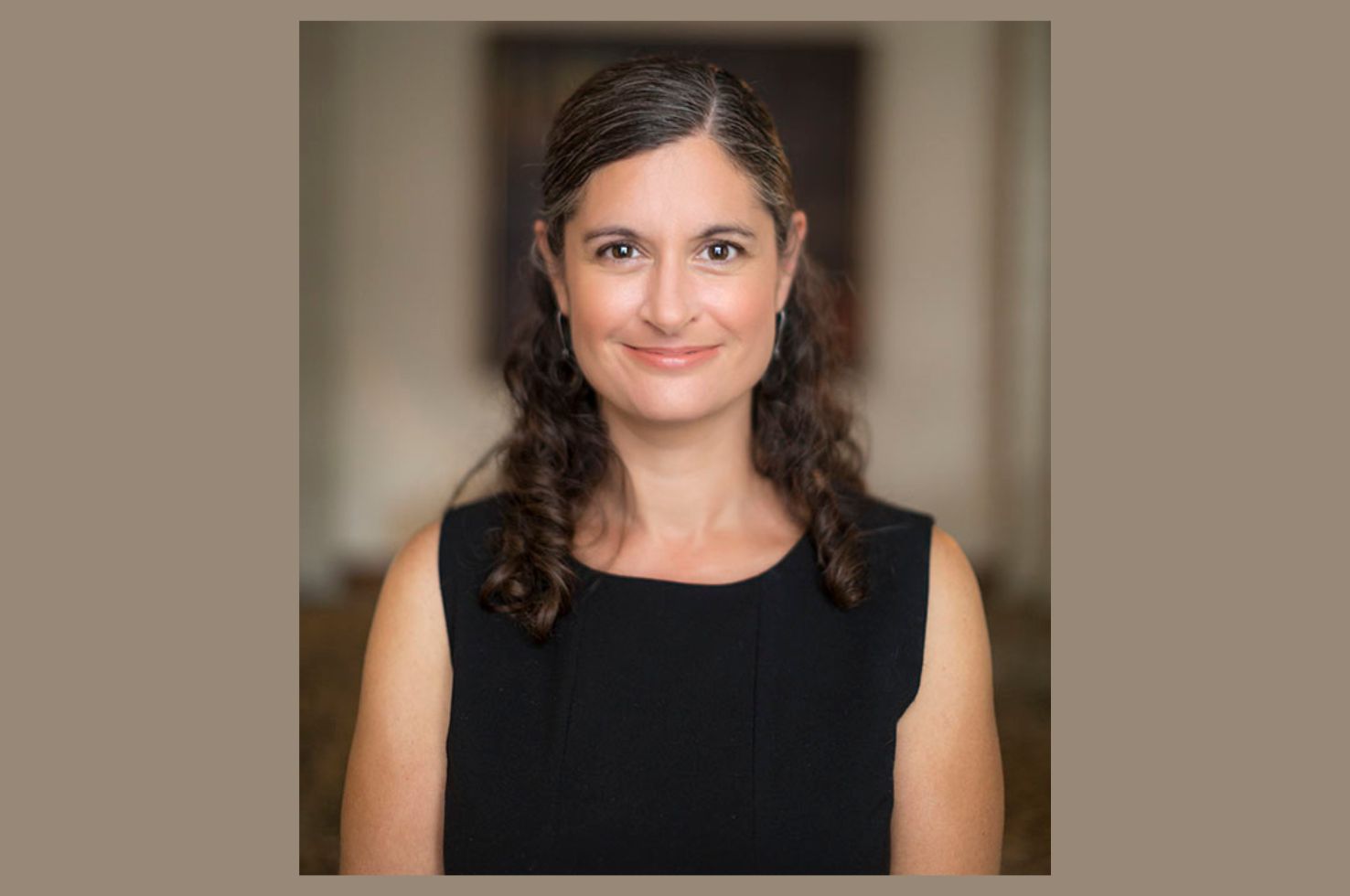
Dr. Susanne Ahmari

Determining how disrupted neural activity gives rise to compulsive behaviors is vital for understanding obsessive-compulsive disorder (OCD). It is commonly thought that compulsive behaviors and cognitive rigidity share a pathological neural substrate owing to an association between compulsive behavior and abnormal performance and reaction times during reversal learning tasks in OCD. However, it is unknown whether compulsions and reversal learning deficits share a common neural substrate.

Determining whether the same orbitofrontal cortex neurons show disrupted activity during both behaviors can help establish whether abnormal reversal learning and compulsive behaviors share common neural underpinnings.

To answer this question, investigators including Matthew Geramita, MD, PhD (postdoctoral scholar), and Susanne Ahmari, MD, PhD (Associate Professor of Psychiatry), from Pitt Psychiatry, measured neural activity in mice with in vivo calcium imaging of individual lateral orbitofrontal cortex neurons during compulsive grooming and reversal learning before and after fluoxetine treatment.

In a paper published in Biological Psychiatry, the scientists reported that baseline compulsive grooming and reversal learning impairments in the mice improved after fluoxetine treatment. In addition, they observed distinct patterns of abnormal lateral orbitofrontal cortex activity during grooming and reversal learning, both of which normalized after fluoxetine. Finally, reversal learning-associated neurons were distributed randomly among grooming-associated neurons (i.e., the overlap is what would be expected by chance).

“These findings suggest lateral orbitofrontal cortex plays separate roles in pathophysiology/treatment of different perseverative behaviors in OCD. In the future, this could be a useful insight for development of individualized treatments,” said Dr. Ahmari, the study’s senior author.

Distinct patterns of abnormal lateral orbitofrontal cortex activity during compulsive grooming and reversal learning normalize after fluoxetine
Manning EE, Geramita MA, Piantadosi SC, Pierson JL, Ahmari SE. 

Biological Psychiatry. Volume 93, Issue 11, 1 June 2023, Pages 989-999. https://doi.org/10.1016/j.biopsych.2021.11.018

University of Pittsburgh logo

Stay connected

  • LinkedIn
  • Bluesky
  • Instagram
  • Facebook
  • Threads

Location

Thomas Detre Hall
3811 O'Hara Street
Pittsburgh, PA 15213
  • Contact Us

Related Websites

  • medschool.pitt.edu
  • pitt.edu

Explore

  • Find People
  • Education
  • Research
  • Patient Care
  • Community & Culture
  • About Us
  • News and Events

Information for

  • Faculty & Staff
  • Prospective Trainees
  • Investigators
  • Patients & Families

Intranet Sites

  • Psy Hub for faculty (requires UPMC log-in and UPMC computer or access through MyApps)
  • Postdoc Portal Postdoc Portal for postdoctoral trainees
  • Office of Grants and Contracts (OGC) website accessible on internal network only

Join Our Newsletter

Stay up to date on department and faculty happenings.

University of Pittsburgh Department of Psychiatry mailing list Fill in the form to subscribe to the mailing list.

Psychiatry Advances Podcast

Covering Innovative research and patient-centered programs.

Listen to Podcast

© 2026 University of Pittsburgh Department of Psychiatry